My Story
Growing Up
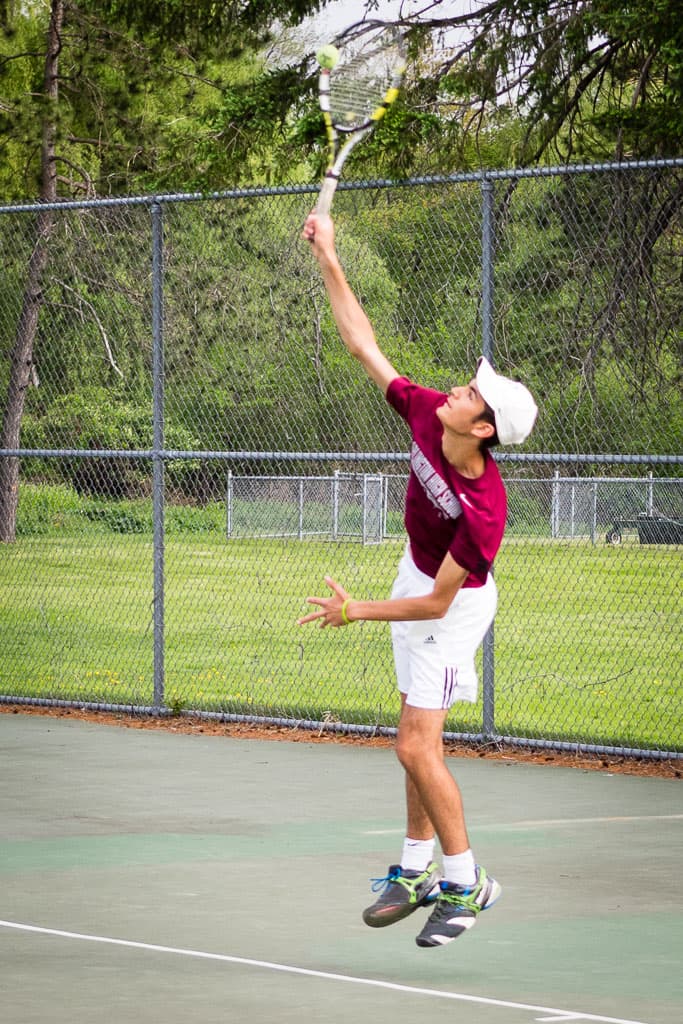
I'm from Vincennes, a small town right outside Paris. My parents are both physicians — I grew up around medicine, with constant conversations about patients, diagnoses, and how the body works. I played competitive tennis through most of my childhood and spent a lot of time doing math — two things that shaped how I think.
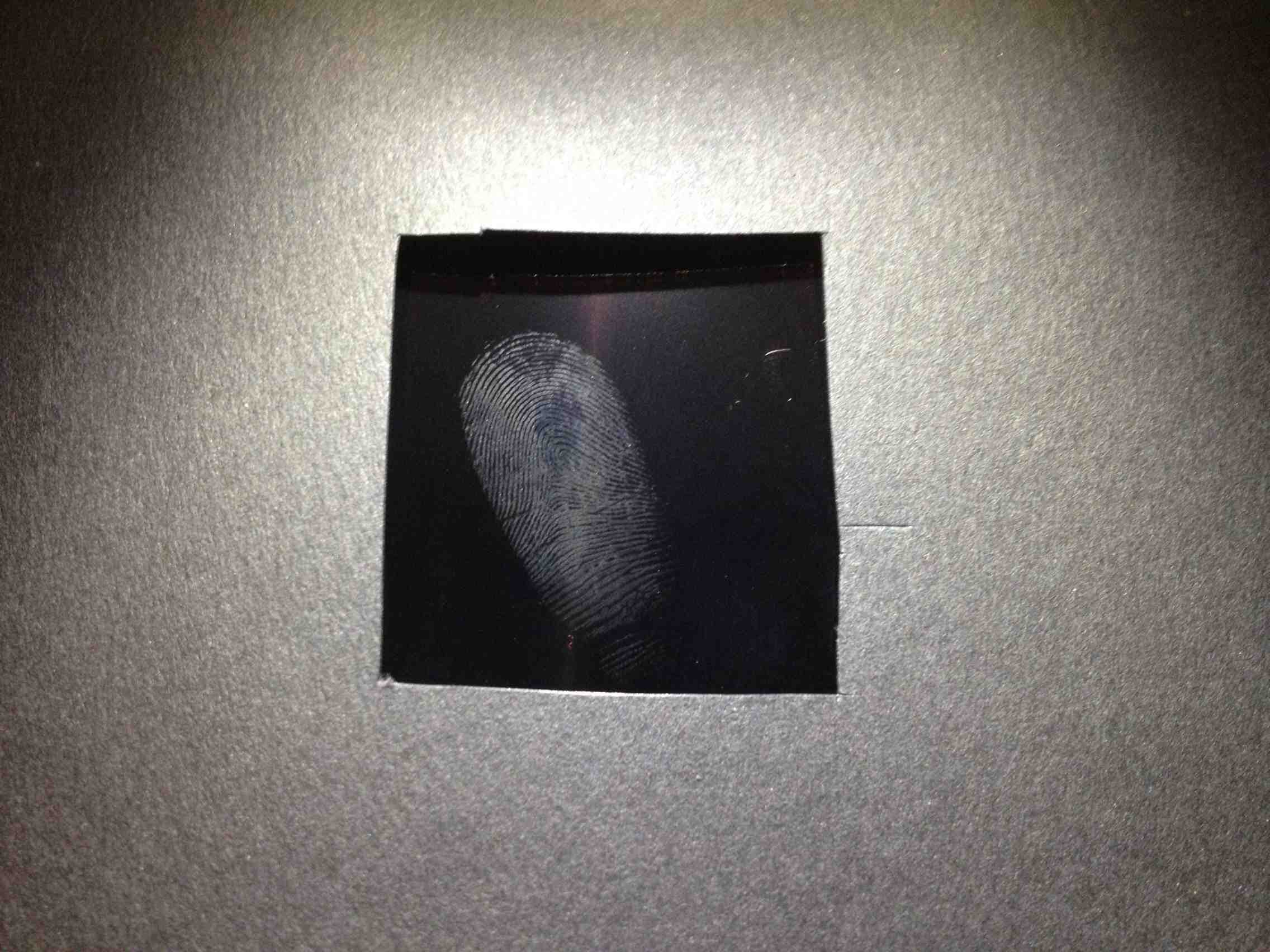
When smartphones came out I got hooked on technology. My first research project was trying to hack Touch ID — lifting fingerprints off glass and casting silicone molds to bypass Apple's biometric security. I also started studying photography young, drawn to observing and capturing the world around me — something I never stopped doing.
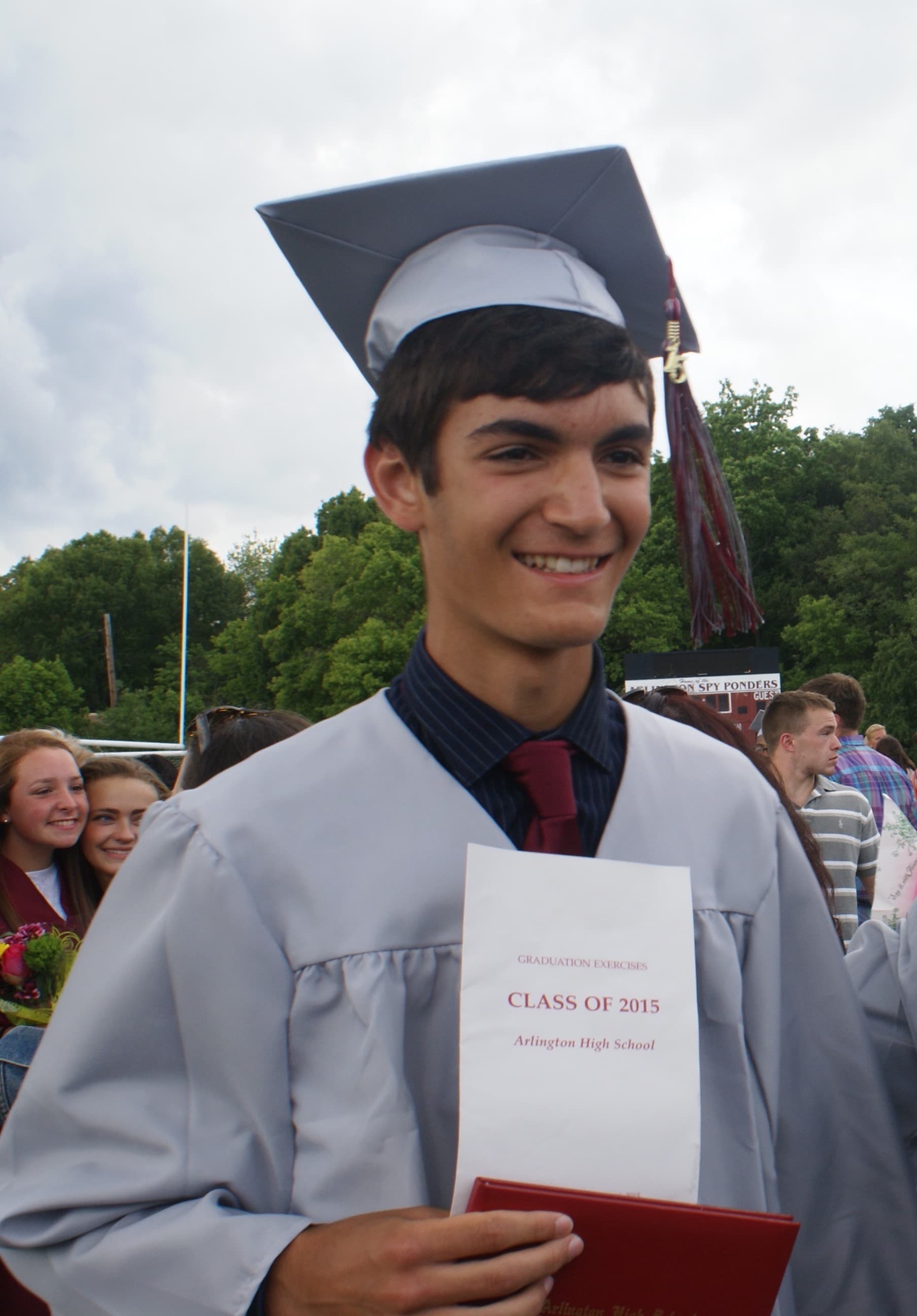
At sixteen I left for a year as an exchange student at Arlington High School in Massachusetts. I spoke English but not fluently, didn't know anyone, and had to figure everything out on my own. It was a step in the dark — but the American system turned out to be completely different from what I knew. I could pick the classes I cared about: AP sciences, American history, photography. In physics we built motor cars and paper bridges instead of solving textbook problems. I went to football games on Friday nights, joined the school tennis team, and learned to be on my own. I came back knowing I wanted to go to college in the US.
Chicago
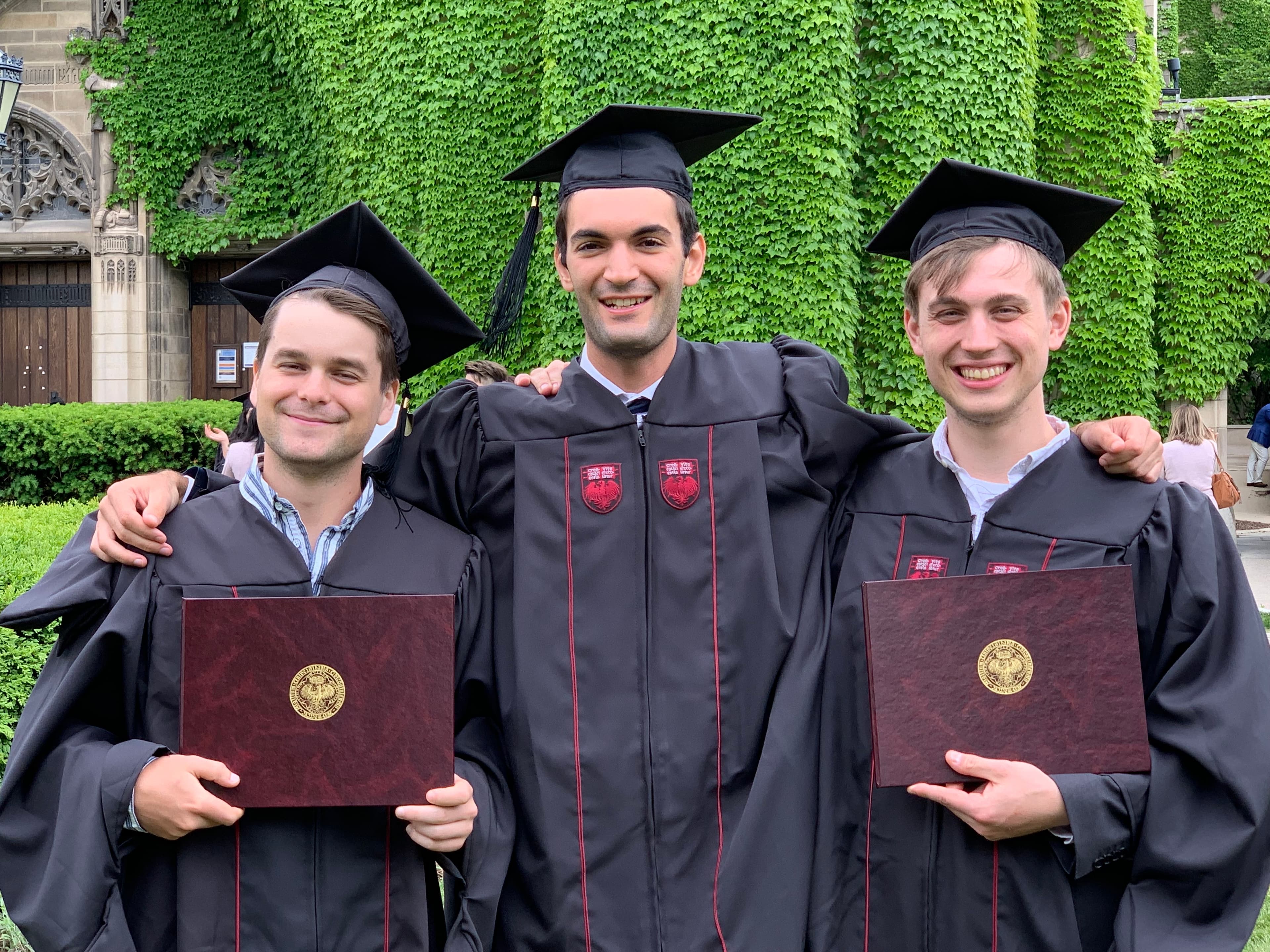
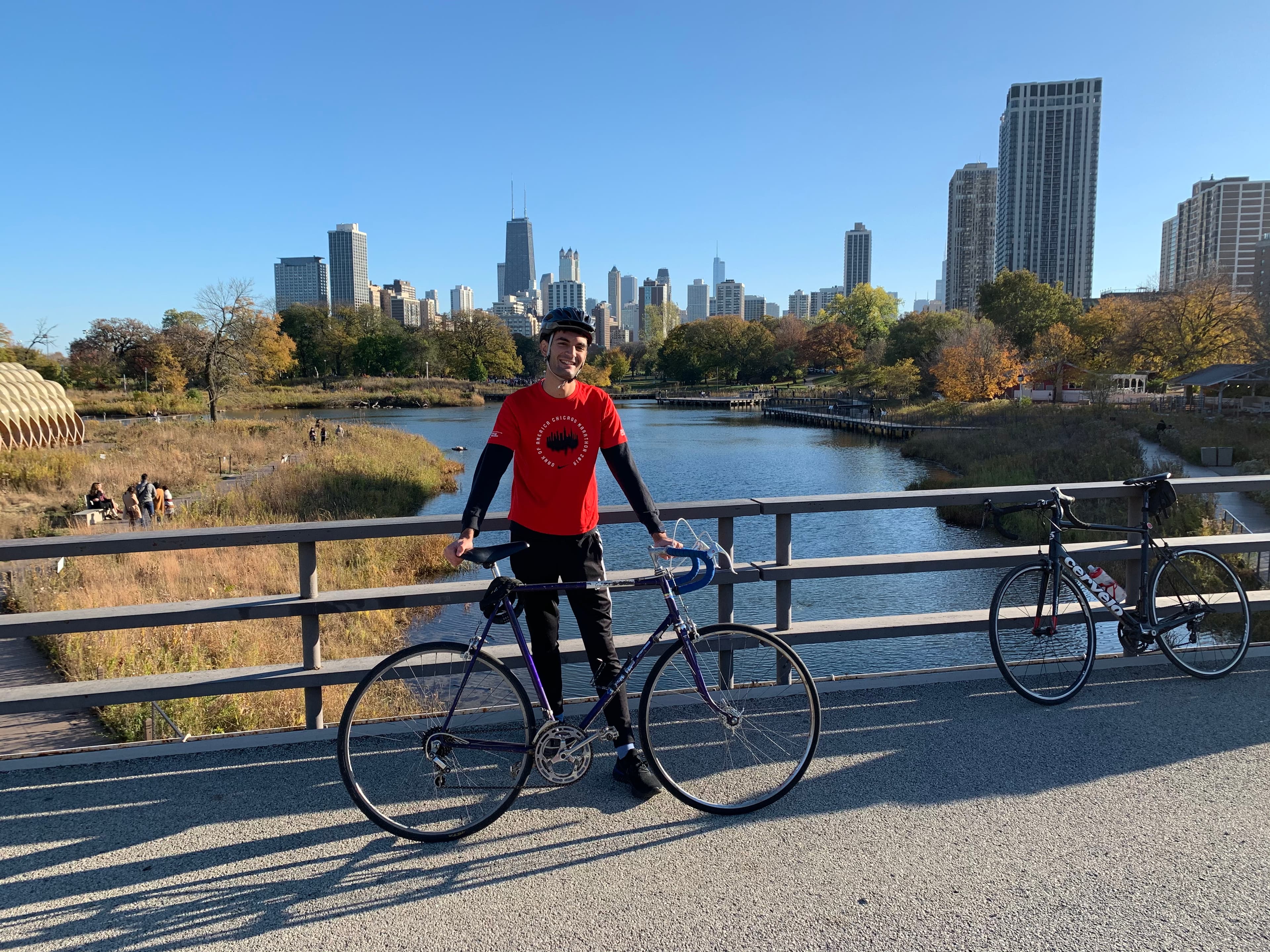
The five years I spent at the University of Chicago were the most formative of my life. B.S. and M.S. in Computational and Applied Mathematics, B.A. in Statistics. Hard classes, late nights, people who pushed me to go beyond what I thought I was capable of. I loved it.
I started working early — TAing, grading, interning every summer. My coursework pulled me deeper into data science and statistical learning. During my master's I did research at the SAND Lab on adversarial machine learning and biometric security, which led to a publication at CHI 2021. Earlier I had worked on 3D signal processing applied to marine biology. By the end, I knew I wanted to apply computational methods to real-world problems.
Work
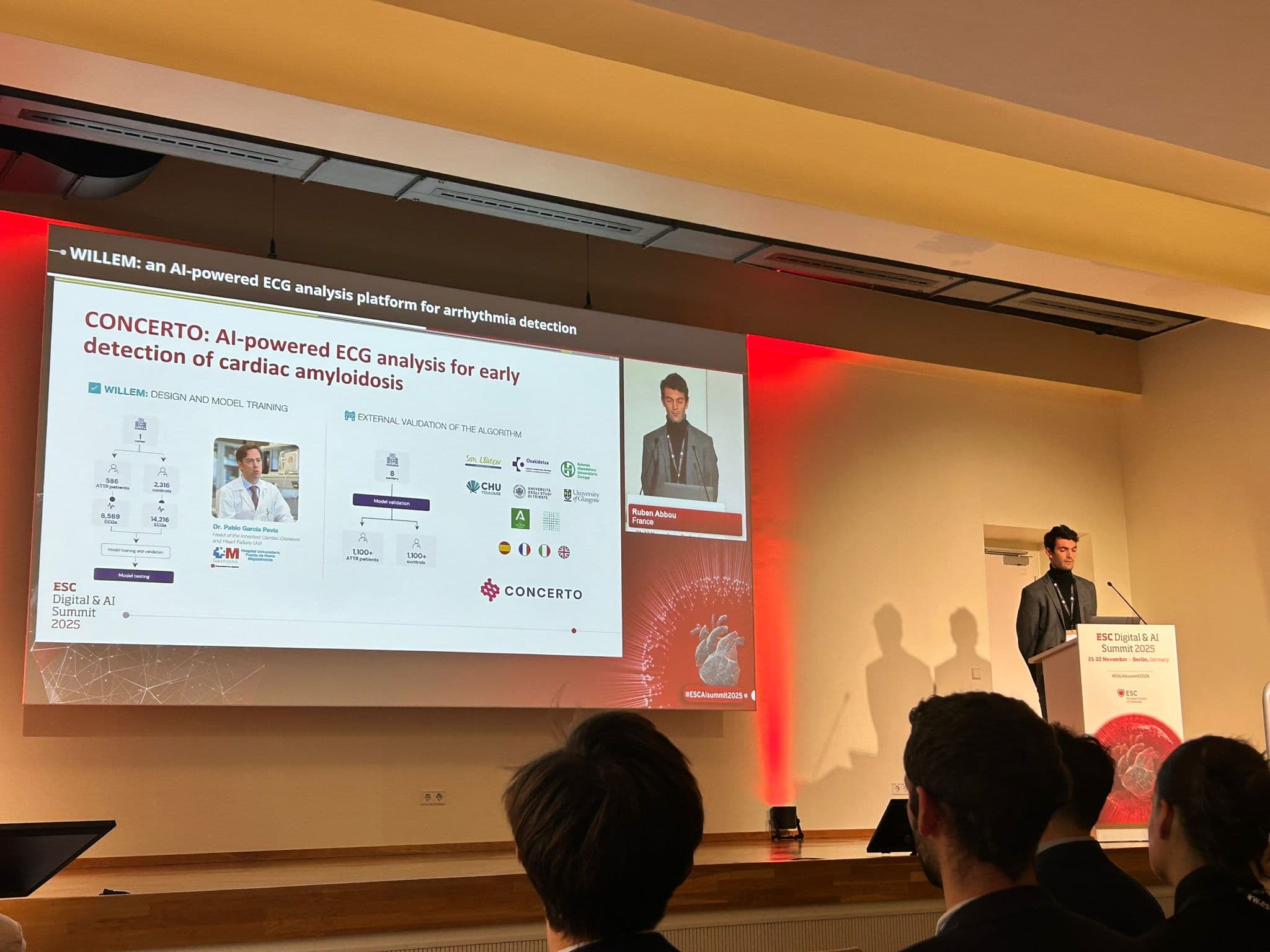
Growing up around physicians, then studying applied math and doing biomedical research — clinical AI was where it all converged. After graduating I joined Anumana in Boston, one of the leading cardiovascular AI companies, spun out of Mayo Clinic. The work spans a wide range of cardiac conditions — from the common (atherosclerotic disease, heart failure, reduced ejection fraction) to the rare (cardiac amyloidosis, aortic stenosis, long COVID complications) — all detected from standard 12-lead ECGs using deep learning.
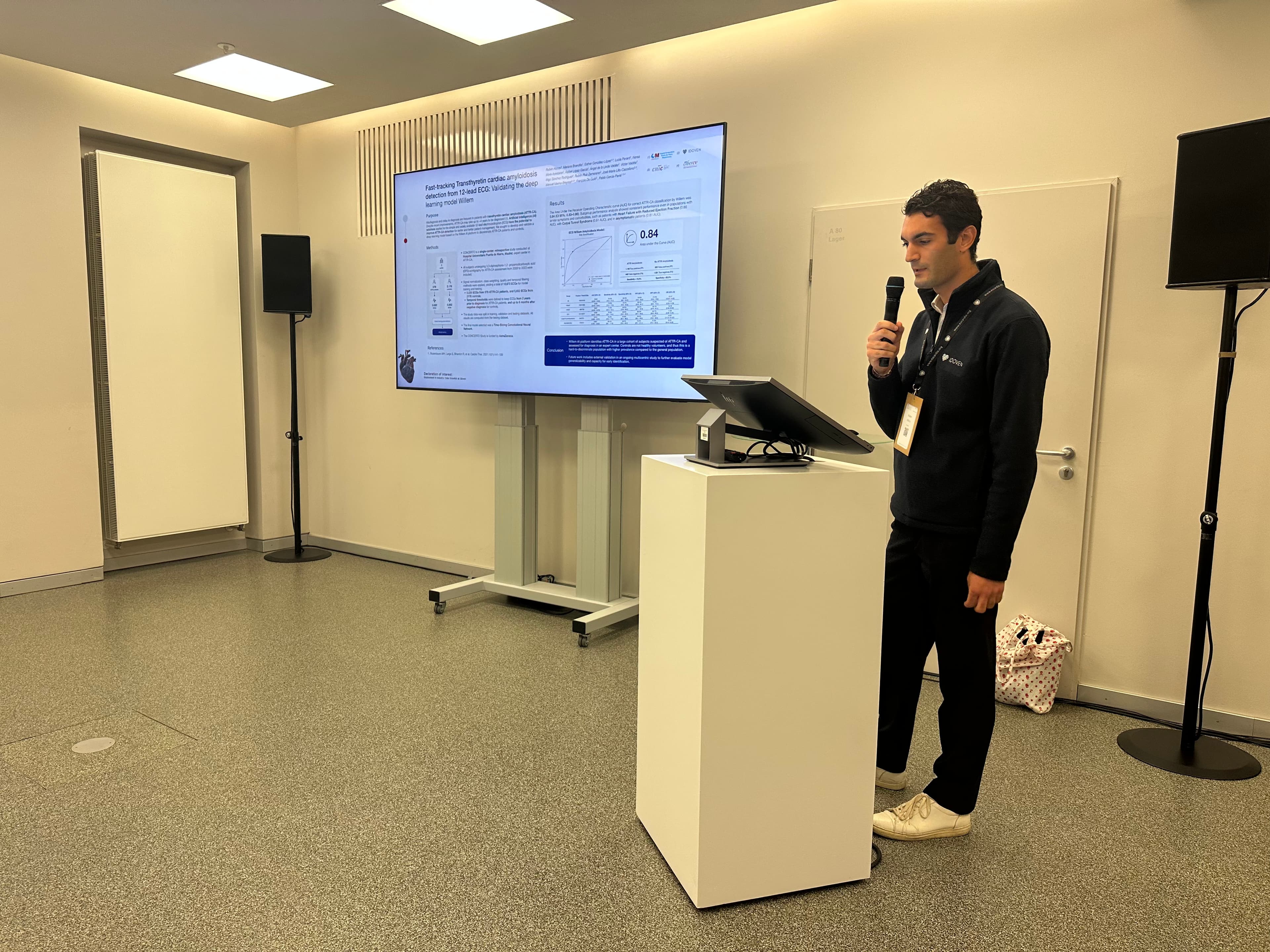
Across two companies, I worked on major pharma partnerships — Pfizer, Novartis, AstraZeneca — and with clinical teams at Mayo Clinic and hospitals across Europe. At Anumana, the Pfizer collaboration on amyloidosis detection led to an FDA Breakthrough Device Designation. I built coronary disease risk models with Novartis from multi-site hospital data and developed NLP pipelines deployed alongside a Mayo Clinic clinical trial. At Idoven in Madrid, I led data science on the AstraZeneca partnership, validating models across European and US hospital sites. Every project meant different data, a different clinical question, a different regulatory path — but the through-line was always the same: building algorithms that help detect disease earlier.
The details are on the work page.
Outside of Work
The competitive tennis turned into distance running — a first marathon in Chicago with no real plan, then gradually getting serious about it. The photography turned into film cameras and travel. Both stuck.